
20.07.2021 – 20:37
If you spend time outdoors, you will most likely have heard warnings about how important it is to pick up sunscreen.
While having a sunscreen is better than not wearing any, if you have a choice, it is better to choose a sunscreen with broad spectrum UV protection at least SPF 30. These recommendations apply to people of all skin colors . Ideally, you should also apply sunscreen 30 minutes before going out in the sun.
Does SPF matter?
SPF is the shortening of the sun protection factor. In sunscreens, SPF helps to block the skin from sunlight.
The sun emits two types of radiation: UVA and UVB rays. UVA rays contribute to the signs of aging on the skin, such as wrinkles and blemishes. UVB rays are more carcinogenic and often responsible for sunburn. UVA rays also make UVB rays more reactive, so combined, both can be deadly.
You are exposed to harmful sunlight virtually any time you are outside or near a window that has sunlight. This radiation has an effect on the skin even if you are not prone to sunburn.
SPF works by extending the skin’s natural protection from sunlight. For example, an SPF of 15 provides about 15 times more protection than just normal skin without sunscreen. An SPF of 50 would provide 50 times more protection than skin without sunscreen. Choosing a broad-spectrum sunscreen means it is a type of sunscreen that will block UVA and UVB rays.
Sunscreen for babies and young children
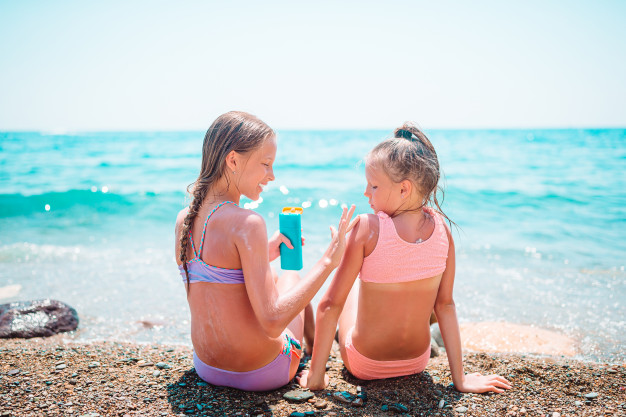
You should avoid using sunscreen on babies under 6 months. This does not mean that they are not at risk of sun damage. Sunscreen can be potentially harmful to babies because they may be at greater risk of side effects from the chemicals in sunscreens. It is best to keep babies under 6 months in the shade and dress them in protective clothing to prevent sun exposure.
When choosing a baby sunscreen, choose one with at least SPF 30. Most baby sunscreens are SPF 50. You do not have to use baby sunscreen, but many baby sunscreens contain special ingredients for baby. protect delicate skin from irritation.
Sunscreen lasts an average of two hours. This means you should plan to reapply every two hours. If you sweat a lot, notice that the skin burns or spend time in water, you should apply it more often.
Choosing a sunscreen
For low sun exposure, a moisturizer or SPF-15 based composition is sufficient. However, for other situations, you should consider your outdoor activity to determine what type of sunscreen to use. There are many different types of sunscreen to choose from.
Water resistant sunscreen
Water-resistant sunscreen may provide good protection for water activities, but may not be appropriate if you are playing a sport that will cause SPF to drip into the eye. It is also important to note that no sunscreen is really waterproof.
Spray sunscreen
This type of sunscreen is very popular, especially among parents of children who play and run. However, spraying sunscreen has become a concern for some experts who recommend that parents initially choose a cream-based protector, instead of spray. Sunscreen can release harmful chemicals that your baby can inhale.
Wide spectrum
Broad-spectrum sunscreen means that the cream is protective against UVA and UVB rays. It is a great idea to always choose a broad-spectrum sunscreen.
All natural sunscreen
Consumer reports found that most mineral-based sunscreens do not work as well as chemical sunscreens with active ingredients. Sunscreens labeled “natural” are usually mineral based. If you are looking for a completely natural sunscreen, a study found that choosing a sunscreen with an olive oil or coconut oil base would help provide greater protection. Both olive oil and coconut oil have natural protection SPF 8, so sunscreens that use them as a base have a good natural SPF base.
Using sunscreen is an important way to reduce the negative side effects from harmful UVA and UVB radiation from the sun. Adults of all ages and skin color should use at least an SPF of 30 during all outdoor activities. Children over 6 months should wear a sunscreen based on at least SPF 30. Furthermore, you should not rely solely on sunscreen as a way to avoid radiation. Protective clothing and shadows can also help protect you from harmful rays.